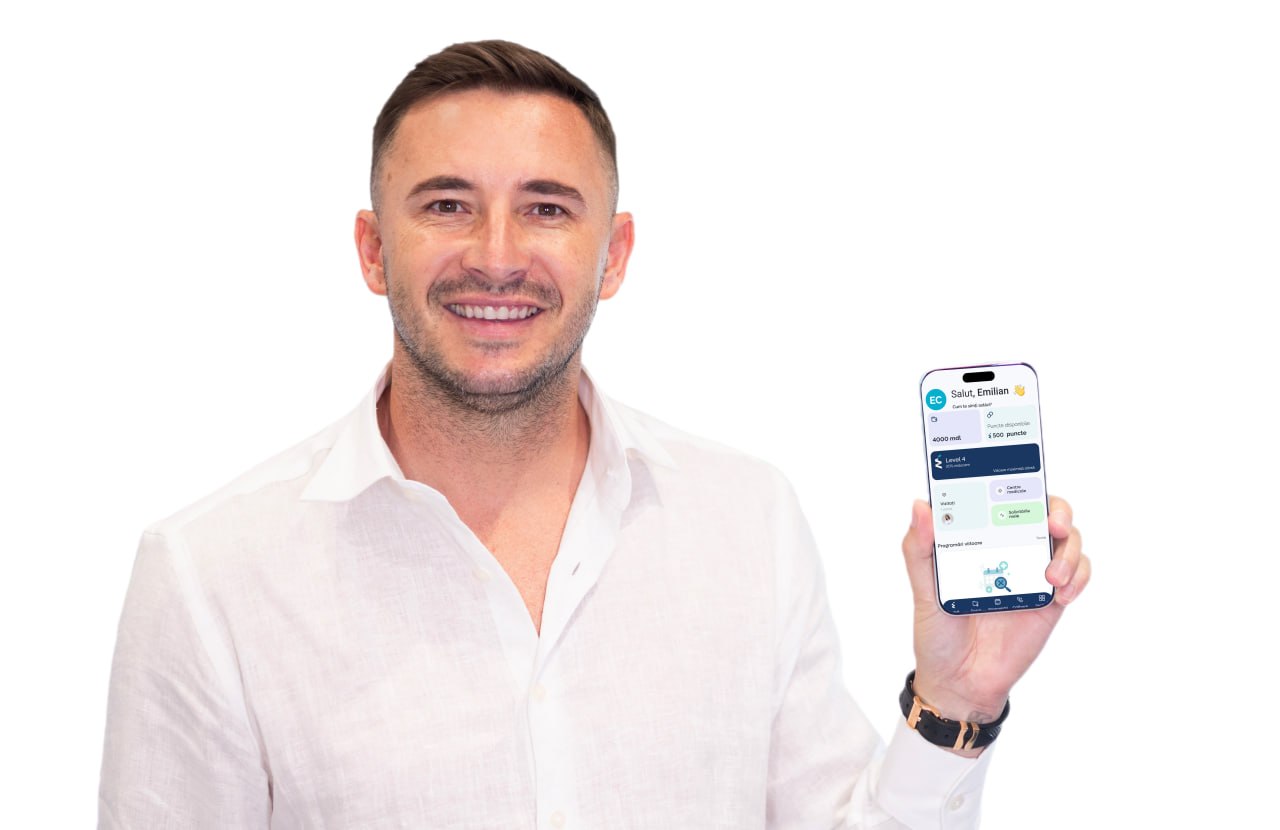

Male Preventive Profile
Male Preventive Profile is a laboratory testing profile designed for the preventive assessment of the main indicators of men's health.
The package includes tests that provide information about haematological status, metabolism, liver and kidney function, the urinary tract, viral hepatitis, as well as male hormonal health.
Regular preventive testing may help identify changes in the body before symptoms appear and provide the doctor with useful information for recommending additional investigations when necessary.
Package composition
General health assessment
Evaluation of blood parameters and non-specific markers of inflammation
- Complete blood count without ESR
- Erythrocyte sedimentation rate (ESR)
Metabolism and metabolic risk
Assessment of glucose, cholesterol and other metabolic parameters
- Glucose
- Total cholesterol
- Uric acid
Liver and liver function
Assessment of key indicators of liver function and integrity
- Alanine aminotransferase (ALT)
- Aspartate aminotransferase (AST)
- Total bilirubin
Kidneys and urinary tract
Assessment of kidney function and identification of possible urinary tract abnormalities
- Serum creatinine
- Urea
- Biochemical urine analysis with urinary sediment
Viral hepatitis screening
Serological screening for hepatitis B and C virus infections
- Hepatitis B surface antigen (HBsAg)
- Total antibodies to hepatitis C virus (total anti-HCV)
Male hormonal health
Assessment of testosterone levels and the protein responsible for transporting sex hormones in the blood
- Total testosterone
- Sex hormone-binding globulin (SHBG)
Indications
The profile may be recommended:
- for regular preventive health assessment;
- for men who wish to check their main health indicators even in the absence of symptoms;
- for the assessment of haematological and metabolic parameters;
- for a basic evaluation of liver and kidney function;
- for the assessment of indicators associated with male hormonal health;
- as part of a preventive medical check-up, taking into account age, lifestyle and individual risk factors.
Procedure
The profile requires a venous blood sample and a urine sample.
The blood sample is usually collected from a vein in the antecubital area and takes a few minutes.
For the urine test, a urine sample should be collected according to the laboratory's instructions. To ensure the most accurate results, it is important to follow the recommendations for sample collection and transportation.
Services in package:
 1 day 1 day 1 day 1 day 1 day 1 day 1 day 1 day 1 day 1 day 1 day 2 days 2 days 1 day 1 day